
Regular comprehensive eye exams are essential for maintaining good vision and eye health throughout life. From early childhood to the senior years, each stage of life presents unique eye care needs and challenges that should be monitored and addressed by an eye care professional.
Below, our McKinney eye care team at Complete Family Eye Care discusses why eye exams are crucial at every age, explores specific eye care and eye health needs at each stage of life, and explains what you can expect from a comprehensive eye exam at our clinic.
Why Comprehensive Eye Exams Matter at Every Age
Eye exams do more than determine if you need glasses. They provide a complete assessment of your eye health, helping to detect eye diseases and underlying health issues before they become serious problems. Regular eye exams allow for early detection and timely intervention at every age, preventing or slowing down vision loss and other complications.
1. Eye Care for Infants and Toddlers
The early years are critical for visual development. Children are usually first screened for vision issues by a pediatrician, but an eye care provider can conduct a more comprehensive exam to check for alignment issues, amblyopia (lazy eye), and other developmental concerns.
2. Good Vision for School-Age Children
As children enter school, visual demands increase with reading, screen time, and learning activities. Regular eye exams help detect refractive errors like nearsightedness, farsightedness, and astigmatism, which can impact academic performance. Conditions like binocular vision dysfunction may also arise, affecting focus and coordination. If uncorrected, these issues can lead to fatigue, headaches, and poor concentration.
Our clinic can provide personalized solutions to support children’s vision health and success in school.
3. How Eye Health Effects Teens and Young Adults
Teens and young adults often experience changes in vision as their eyes grow and develop. This stage involves significant screen use, which can lead to digital eye strain. Contact lenses may be an option for many young adults, and our team can guide them on the safe use and care of lenses.
4. Taking Care of Adult Eyes (20s to 40s)
In adulthood, the focus shifts to maintaining clear vision and preventing long-term eye conditions. Regular eye exams help detect early signs of diseases like glaucoma and retinal disorders, even if there are no symptoms. Many adults may begin to experience early signs of presbyopia (age-related difficulty in seeing close objects), and our clinic can offer prescription lenses such as bifocals or multifocals to help address these changes.
5. Eye Health for Older Adults and Seniors
For individuals over 60, eye health is crucial as the risk of eye diseases like cataracts, age-related macular degeneration, and diabetic retinopathy increases. Regular exams help monitor these conditions, allowing for early intervention and management to preserve vision. Our eye care team can provide guidance on managing age-related eye conditions and offer advice on specialized eyewear and vision aids if needed.
What to Expect from a Comprehensive Eye Exam at Our Clinic
At our clinic, we prioritize a thorough, patient-centered approach to eye care. Here’s what you can expect during a comprehensive eye exam with us:
1. Medical and Vision History Review
We start with a detailed review of your medical and vision history. Understanding your background allows us to tailor the exam to your specific needs, considering factors like family history, past eye conditions, and any symptoms you may be experiencing.
2. Visual Acuity Test
Visual acuity testing measures how clearly you see at various distances. This part of the exam helps identify refractive errors, including nearsightedness, farsightedness, and astigmatism, and determines if corrective lenses are needed.
3. Refraction Testing
Refraction testing helps us fine-tune your prescription for glasses or contact lenses, ensuring you enjoy the clearest vision possible. Our clinic uses the latest equipment for accurate measurements, helping you achieve clear, comfortable vision.
4. Eye Health Evaluation
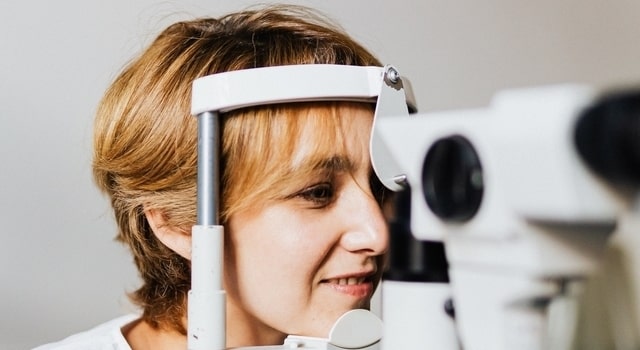
Our team conducts a detailed evaluation of your eye health, checking for signs of cataracts, glaucoma, and other conditions. This part of the exam may include tonometry to measure eye pressure, slit-lamp examination for a close look at eye structures, and a retinal examination to assess the health of your retina and optic nerve.
5. Binocular Vision Assessment
If you experience symptoms like double vision, headaches, or difficulty focusing, we’ll assess your binocular vision to check for alignment and coordination issues. This evaluation helps us determine if you may benefit from treatments for binocular vision dysfunction.
6. Personalized Recommendations
At the end of your exam, our team will discuss our findings with you and provide personalized recommendations. Whether it’s updating your prescription, advising on lifestyle adjustments, or suggesting specialized treatments, we’re here to help you make informed decisions about your eye health.
Take the First Step in Protecting Your Vision
No matter your age, a comprehensive eye exam is a proactive way to protect your vision and eye health. Regular exams allow our eye care team to address current issues, prevent future problems, and ensure that your vision stays sharp.
Booking an appointment with us now can help avoid the year end rush. Contact us to schedule your appointment and experience the benefits of personalized, comprehensive eye care.